

Key Takeaways
- Food service operations typically run on razor-thin earnings, with most establishments keeping only a few cents of every dollar earned
- Food and labor costs together usually eat up 60-65% of revenue and are the biggest levers owners can pull to improve profitability
- Menu engineering, portion control, and smart vendor negotiations can meaningfully reduce the cost of goods sold
- Technology tools like POS analytics and inventory software help identify waste and underperforming items quickly
- Pricing strategy should reflect perceived value, not just a markup over ingredient cost
- Nearly half of operators struggle to turn a profit, making operational discipline more important than ever
- Tracking the right financial metrics weekly, not monthly, gives owners time to course-correct before losses pile up
Running a food establishment looks glamorous from the outside. Reality tells a different story. Owners juggle rising ingredient costs, unpredictable staffing, and customers who notice every small price increase on the menu.
The gap between a packed dining room and a healthy bank account can feel enormous. Many owners pour their savings into opening day, only to find that months of strong sales still don’t translate into real take-home income. The math behind food service is unforgiving, and even small missteps compound quickly.
This guide walks through the most common problems that drag down earnings in this industry, and offers practical fixes for each one. Whether you’ve been operating for years or you’re planning your first location, understanding where the money actually goes is the first step toward keeping more of it.
What Does the Typical Earnings Picture Look Like?
Before fixing anything, you need to know what “normal” looks like. The average profit margin for restaurants sits far lower than most new owners expect, which is why so many are shocked when the first-year numbers come in. Most industry benchmarks place the figure somewhere between 3% and 9%, depending heavily on the service model.
According to the National Restaurant Association, the median pre-tax income runs about 2.8% for full-service venues and 4.0% for limited-service concepts. That means on $1 million in sales, a typical sit-down spot keeps only around $28,000 before taxes. Quick-service operators tend to do slightly better thanks to lower labor needs and faster table turns.
How Service Format Changes the Math
The style of operation you choose shapes your cost structure from day one. A fine-dining concept carries heavy labor costs because of specialized kitchen staff and attentive service. A fast-casual spot can run leaner but relies on volume. Food trucks skip the rent problem but face vehicle maintenance and weather risk. Each format comes with its own path to profitability, and choosing wrongly for your market is a mistake that haunts owners for years.
Problem One: Food Costs Keep Climbing

Ingredient prices rarely move in your favor. Dairy, proteins, and produce swing wildly based on weather, fuel costs, geopolitical tensions, and global supply issues that no single operator can control. A drought in California can double your lettuce costs overnight. An avian flu outbreak can send egg prices through the roof for months. Diesel spikes get passed down through every link in the supply chain until they land on your invoice. Many owners simply absorb these increases, hoping things will normalize, which quietly destroys their margins over time and makes the average profit margin for restaurants look even thinner than industry reports suggest.
The fix starts with knowing your actual food cost percentage on every dish, not a vague estimate based on last year’s menu engineering. Aim to keep total food costs between 28% and 35% of revenue, with full-service concepts typically landing on the higher end and quick-service or pizza concepts closer to the lower end. Anything higher means you’re either overpricing ingredients, underpricing menu items, or wasting too much product in the back of house. Running the numbers monthly, not quarterly, is what separates healthy operators from those who find out too late that a key ingredient quietly ate their profit for an entire season.
Here are concrete steps that work:
- Audit your top 10 best-selling items monthly and recalculate their food cost based on current invoice prices, not the price you paid six months ago
- Negotiate with at least two suppliers for every major category to keep pricing honest and build leverage when one vendor tries to push through an unjustified increase
- Use standardized recipe cards so portions stay consistent across shifts, across locations, and across staff turnover
- Track waste daily, including trim, spoilage, comped meals, and employee mistakes, so you can spot patterns before they become monthly losses
- Rotate seasonal ingredients into specials when prices are lowest, and feature high-margin items prominently on menus, table tents, and server scripts
- Reprice your menu at least twice a year, even if only by small amounts, so customers never experience sticker shock from one big jump
Portion Control Is a Silent Profit Killer
A line cook adding an extra ounce of cheese on every burger might seem harmless. Over a thousand burgers a month, that’s real money leaving the kitchen, and if cheese runs $4 a pound, you’ve just given away $250 in pure profit without a single customer asking for it. Multiply that across proteins, sauces, cheeses, fries, and garnishes, and a sloppy kitchen can bleed thousands of dollars every month without anyone noticing until the P&L lands on your desk. Scales, portion scoops, pre-weighed protein packs, and clearly labeled containers eliminate the guesswork and remove the “eyeballing it” culture that creeps into every busy kitchen. Train staff to understand that consistency protects their jobs by keeping the restaurant business viable, keeping shifts fully staffed, and keeping the doors open through slower seasons. The best operators turn portion control into a point of pride rather than a punishment, celebrating cooks who hit targets consistently and coaching those who struggle before small habits become expensive ones.
Problem Two: Labor Costs Are Out of Control
Payroll is usually the second-largest expense and sometimes the first. Scheduling too many bodies on a slow Tuesday burns cash. Scheduling too few on a busy Friday burns customers. Both hurt long-term.
Smart scheduling uses historical sales data to match staffing to actual demand. Modern POS systems can forecast covers hour by hour, allowing managers to build schedules that reflect reality rather than habit. Cross-training staff so a server can bus tables or a cook can prep salads during slow periods also stretches every labor dollar further.
Watch these labor metrics closely:
- Labor cost as a percentage of sales (target 25-35% depending on format)
- Sales per labor hour, broken out by position
- Overtime hours, which usually signal poor scheduling
- Turnover rate, since replacing staff costs thousands per hire
Problem Three: The Menu Is Doing Too Much
Oversized menus feel generous to customers but devastate kitchens. More items mean more inventory, more waste, more training time, and slower ticket times. They also dilute what your venue is known for.
Menu engineering is the practice of analyzing each item by popularity and profitability. Items that sell well and earn high margins should be featured prominently. Low-performing, low-margin dishes should be cut without hesitation. This single exercise can lift overall earnings by several percentage points within a quarter.
The pricing side matters too. Customers rarely know the cost of ingredients, so pricing based purely on a markup formula leaves money on the table. Consider what the dish is worth to the guest in context. A beautifully plated pasta in a candlelit room commands more than the same pasta in a strip mall, even if the food cost is identical.
Problem Four: You’re Flying Blind Without the Right Data
Too many owners wait until the monthly P&L arrives to see how things went. By then, four weeks of problems have already compounded. Weekly, or even daily, tracking of a few key numbers gives you the ability to adjust before small issues become big ones.
A healthy restaurant business reviews prime cost (food plus labor) at least weekly. Prime cost should land around 55-65% of sales. If it creeps higher, something specific caused it, and finding that cause within days is far easier than finding it a month later. The urgency of acting quickly matters because, according to Nory, 42% of operators failed to turn a profit in 2025, underscoring just how little room there is for delayed decisions.
Essential metrics to review each week:
- Prime cost percentage
- Food cost by category (proteins, produce, dry goods, beverage)
- Labor cost by shift and department
- Average check size and cover count
- Comps, voids, and discounts
Technology Pays for Itself Quickly
Inventory software, scheduling platforms, and POS analytics have become affordable even for single-location operators. A $200 monthly subscription that identifies $2,000 in monthly waste pays for itself ten times over. If you’re still relying on spreadsheets and gut feel, you’re competing against operators who aren’t, and they will win on margin every time.
Problem Five: Pricing That Doesn’t Reflect Value
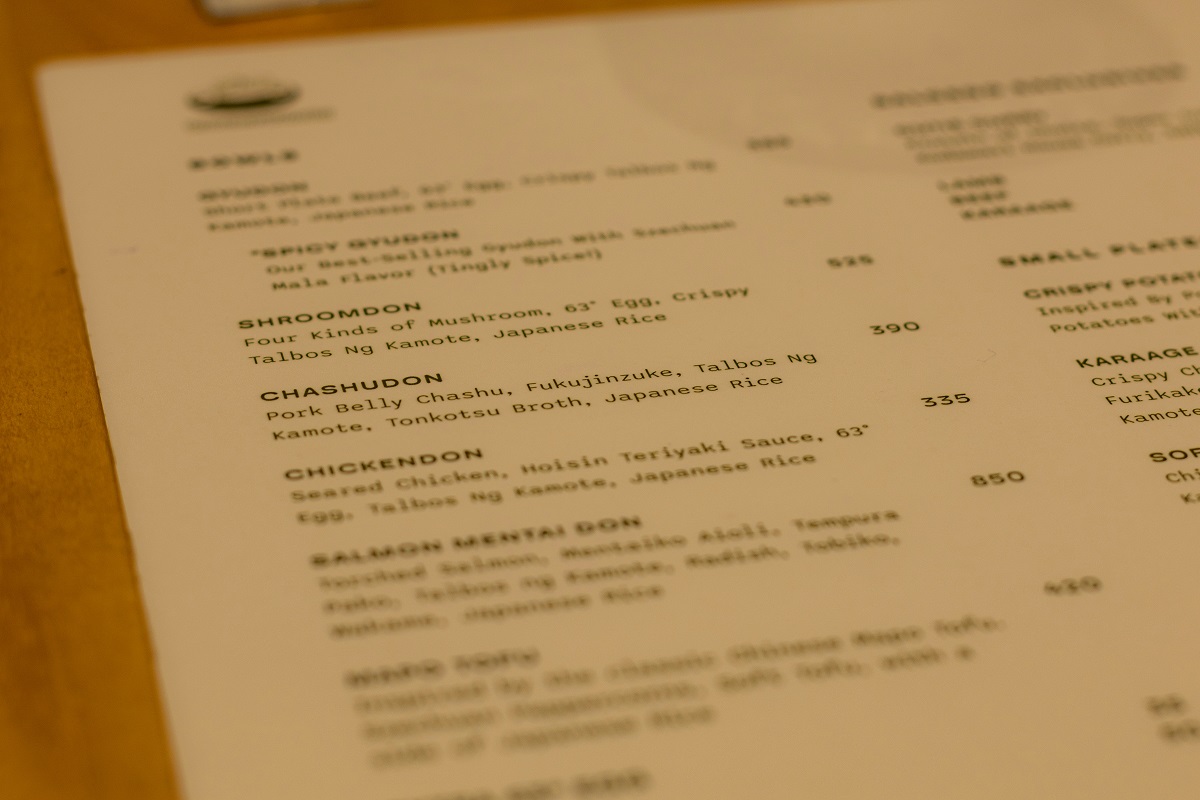
Many owners set prices based on what competitors charge or what feels fair. Neither approach is strategic. Pricing should reflect the full guest experience, your position in the market, and the actual cost of delivering each dish with service.
Small, strategic price increases rarely cost you customers. Research consistently shows guests are far more sensitive to the experience than to a 50-cent bump on an entrée. Review your menu pricing at least twice a year. If you’ve been absorbing cost increases for 18 months without raising prices, you’re essentially subsidizing your own guests out of your retirement savings.
Think about these pricing levers:
- Anchor pricing: place a premium item nearmid-tier dishes to make them look like better values
- Decoy items: a slightly overpriced option that pushes guests toward your most profitable dish
- Bundle offers: pair a high-margin side or drink with a popular entrée
- Remove dollar signs from menus, which research links to higher average spend
- Round prices to end in .95 or whole numbers depending on brand positioning
Problem Six: Overhead and Occupancy Costs Creep Up
Rent, utilities, insurance, and equipment leases are often treated as fixed and untouchable. They aren’t. Occupancy costs should stay under 10% of sales, and when they drift above that line, no amount of kitchen efficiency can save you.
Renegotiate your lease well before renewal. Landlords prefer a reliable tenant to an empty space, and most will negotiate on rent, common area charges, or tenant improvement allowances if you ask. Shop your insurance policies every two years. Audit your utility bills for billing errors, which happen more often than you’d think, and consider energy-efficient equipment upgrades that pay back within 18 to 24 months through lower bills.
Small Fixes Add Up Fast
- Swap halogen and incandescent lighting for LED throughout the dining room and kitchen
- Install low-flow spray valves at dish stations
- Service HVAC and refrigeration quarterly to prevent efficiency loss
- Review subscription services and cancel anything unused for 60 days
- Buy equipment used or refurbished when the warranty terms allow it
Building a Culture That Protects Margin
Numbers only improve when the people on the floor care about them. Line cooks who understand that waste comes out of the tip pool bonus, servers who know that upselling a dessert adds measurable dollars to the week, and managers who treat the P&L like a scoreboard all contribute to a healthier operation.
Share key metrics with your team weekly. You don’t need to open the full books, but telling your staff that last week’s food cost hit 36% and asking for their ideas creates ownership. People who feel accountable act accountable. Those who are kept in the dark have no reason to care whether a case of lettuce rots in the walk-in.
If you’re still in the planning stage or considering a second location, the groundwork laid before opening day shapes everything that follows. Reviewing the fundamentals of opening your first restaurant before signing a lease or finalizing a concept can prevent the structural mistakes that no amount of operational excellence can later undo.
Final Thoughts
The food service industry rewards operators who treat every percentage point as sacred. Thin margins mean there is no single silver bullet, only a dozen small disciplines practiced consistently. Food cost, labor cost, menu design, pricing strategy, overhead, and data habits each contribute a point or two, and together they decide whether the year ends in profit or in another round of personal loans.
The owners who thrive aren’t necessarily the most talented chefs or the most charismatic hosts. They’re the ones who look at their numbers every week, ask hard questions, and make small corrections before small problems grow teeth. They treat their operation like the capital-intensive, low-margin enterprise it actually is, not like a passion project that will somehow pay for itself.
Start with one problem area from this guide. Fix it over the next 30 days, measure the result, then move to the next. Compound improvements over a year, and the difference between a struggling venue and a genuinely profitable one becomes clear in the only place that matters, which is the bank balance at the end of each month.