
Setting up your first restaurant is an exhilarating milestone, but it is also one of the most complex operational puzzles an entrepreneur can tackle. To build a space that is both compliant and deeply appealing to guests, you have to look far beyond the menu and focus heavily on infrastructure, design, and long-term maintenance. Most first-time owners invest the majority of their energy into branding, recipe testing, and front-of-house aesthetics, only to find their opening dates delayed by weeks or months due to overlooked building codes, inadequate utility lines, or structural surprises.
The physical reality of operating a food service business requires a delicate balance of heavy industrial utility systems, safety regulations, and interior hospitality design. Every decision you make during the initial buildout phase will directly impact your daily operational efficiency, your staff’s safety, and your bottom line for years to come. This comprehensive guide breaks down the essential structural, aesthetic, and operational steps needed to launch a safe, compliant, and thriving restaurant, ensuring your dream stands on a rock-solid foundation.
Core Kitchen Infrastructure and Waste Management
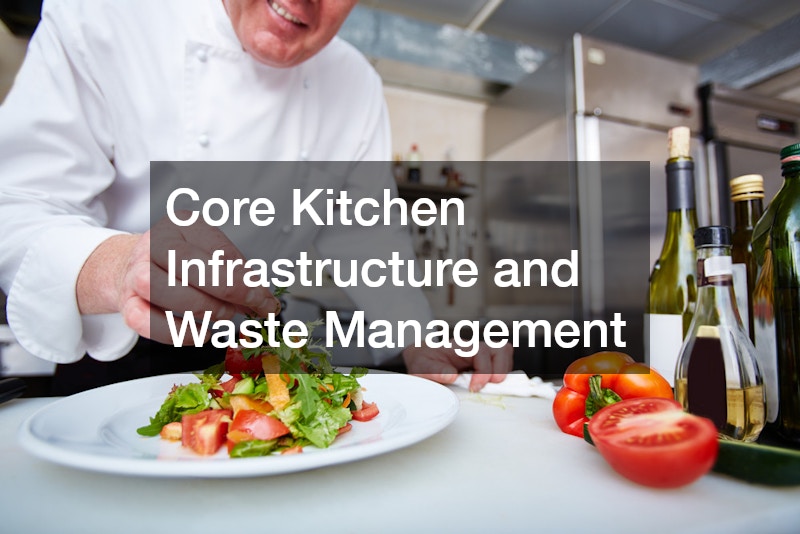
The back-of-house area is the engine room of your restaurant. If the kitchen layout is poorly conceived, it creates physical bottlenecks that slow down ticket times and frustrate your culinary team. When designing this layout, you must establish a clear separation between your hot line, where cooking takes place, and your prep stations, dish pit, and storage areas. This ensures that staff members can move fluidly without colliding while carrying hot pans or sharp knives. Beyond the spatial design, a significant portion of your kitchen planning must focus on how you manage the massive volume of waste your operations will inevitably produce.
Liquid waste management, specifically dealing with grease, fats, and oils, is heavily regulated by local municipalities. If you do not have a comprehensive strategy for handling these substances, you risk clogging your internal plumbing, causing foul odors that migrate into the dining room, and facing steep fines from city inspectors.
Optimizing Daily Back-of-House Workflows
-
Design a linear workflow that tracks the journey of a plate: from food storage to prep, cooking, plating, garnishing, and finally out to the service window.
-
Ensure that trash receptacles, compost bins, and recycling stations are easily accessible from every major workstation to keep the floor clear of debris.
-
Incorporate dedicated handwashing sinks every few feet to comply with health codes and encourage strict hygiene among your line cooks.
Implementing Sustainable Grease and Waste Systems
-
Partner with specialized cooking oil services early in your planning phase to set up efficient, automated storage vats for fresh oil delivery and bulk management.
-
Establish a rigid daily schedule for cooking oil disposal so that staff members are never carrying open, scorching-hot pots of grease across a slippery kitchen floor.
-
Install high-capacity grease traps under your sinks and schedule monthly professional pump-outs to ensure no grease ever makes its way into the main sewer line.
Heavy Utilities and Climate Control Setup

Restaurants consume an incredible amount of energy and gas compared to standard retail businesses. Your commercial ranges, charbroilers, salamanders, and high-speed dishwashers require massive, steady utility inputs. Before signing a lease on any property, you must conduct a thorough utility audit to confirm that the electrical panel can handle the amperage required by your equipment, and that the gas lines feature large enough diameters to supply adequate British Thermal Units to your hot line. Upgrading these core utilities after the fact can cost tens of thousands of dollars and require ripping open existing walls.
Equally critical is your ventilation and climate control infrastructure. A commercial kitchen generates an immense amount of heat, smoke, and airborne grease. Your HVAC system must be powerful enough to completely replace the air in the kitchen multiple times per hour while maintaining a comfortable, climate-controlled environment in the dining room. If your systems are poorly balanced, negative air pressure can pull smoky, hot air directly from the kitchen straight into the faces of your paying guests.
Managing Power and Gas Requirements
-
Hire a commercial electrical engineer to map out your total simultaneous power load, ensuring your walk-in coolers, freezers, and ovens don’t trip the main breakers during peak dinner service.
-
Verify that your gas meters and regulators are rated for commercial volume, as residential or light-commercial setups will cause your equipment to underperform.
-
Invest in energy-efficient, Energy Star-rated appliances wherever possible to mitigate the massive monthly utility bills that plague new restaurants.
Maintaining Atmosphere and Environmental Compliance
-
Work with a certified technician to establish a preventative maintenance contract for commercial hvac repairs to ensure your air conditioning never fails on a busy mid-summer weekend.
-
If you are moving into a historic building or a converted space, hire a specialist to locate and evaluate the condition of any underground oil tank that may have been used for heating in the past.
-
Ensure that your ventilation hoods feature an integrated fire suppression system that automatically cuts off gas lines and releases fire-retardant chemicals in an emergency.
Exterior Protection and Structural Integrity

The roof and exterior shell of your building are your primary defense against the elements, yet they are often completely ignored by new restaurateurs until a major storm causes a leak over the dining room or kitchen line. A restaurant building takes a unique beating from the top down. Your roof doesn’t just shield you from rain; it also hosts your massive HVAC compressors, makeup air units, and the exhaust fans that suck grease out of your kitchen. These heavy units place tremendous structural stress on the roof deck, and the grease particles that inevitably escape the exhaust fans can rapidly degrade roofing membranes if not properly managed.
Additionally, the property’s sub-surface utility infrastructure must be thoroughly vetted. Many freestanding restaurant properties rely on specialized on-site storage systems for water management, fuel, or waste containment before it routes to municipal lines. Neglecting these deep structural and mechanical components during your initial buildout is a recipe for sudden, catastrophic closures that kill your momentum right after launch.
Securing Your Building’s Roof and Exhaust Infrastructure
-
Conduct a comprehensive structural assessment of the building’s roof deck to guarantee it can support the dead weight of multiple multi-ton climate control and ventilation units.
-
Secure the expertise of professionals who specialize in commercial roofing services to inspect the flashing around your hood vents and install grease containment pads to protect the roof membrane.
-
Establish a quarterly schedule to inspect roof drains and downspouts, preventing standing water from pooling and creating structural rot or leaks above your kitchen.
Evaluating Deep Storage and Site Infrastructure
-
Identify all buried utility systems on the property and bring out local commercial tank cleaning services to flush, inspect, and certify any large-scale underground grease interceptors or fuel reservoirs.
-
Check the exterior grading of the property to ensure that heavy rain flows away from the foundation and entryways rather than pooling near your doors or loading docks.
-
Seal all exterior wall penetrations where gas, water, and electrical lines enter the building to keep rodents and pests from invading your dry storage areas.
Crafting an Inviting Dining Room Aesthetic
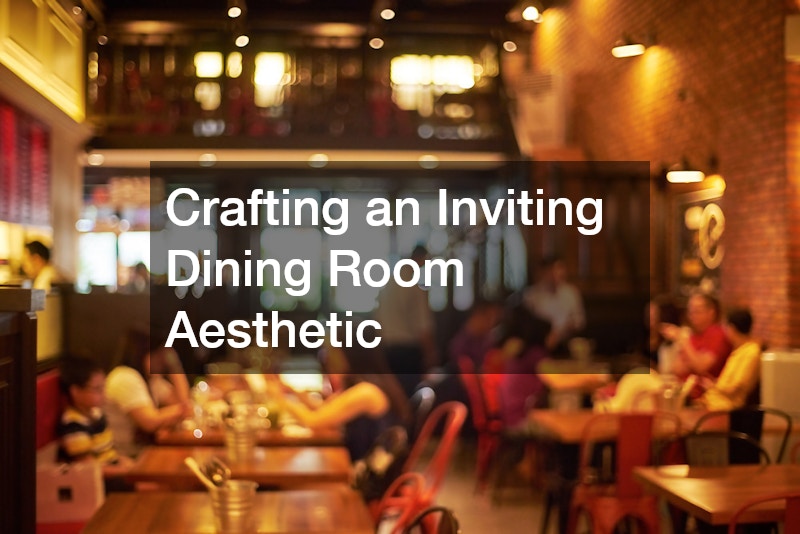
Your front-of-house design tells the story of your brand before the guest ever tastes your food. It dictates the mood, the noise level, and the physical comfort of your clientele. When planning your dining room, you must find a balance between visual beauty and industrial durability. Restaurant furniture and finishes endure more wear and tear in a single month than residential furnishings experience in a decade. Every fabric, wood surface, and flooring choice must be rated for high-traffic commercial use, meaning they must be scratch-resistant, stain-resistant, and capable of withstanding harsh daily chemical sanitization.
Lighting and acoustics also play a hidden but massive role in the guest experience. If your space features too many hard surfaces, like concrete floors and exposed brick walls, the noise of clinking silverware and chatter can quickly become deafening, preventing comfortable conversation. Windows are another variable; while natural light is highly desirable, uncontrolled afternoon sun can create blinding glare for diners and rapidly drive up the temperature in specific sections of the dining room.
Selecting Durable and Elegant Finishes
-
Choose commercial-grade upholstery fabrics with high double-rub counts, which measure a fabric’s resistance to abrasion and long-term wear from constant use.
-
Opt for flooring materials like luxury vinyl tile or sealed stained concrete that can handle heavy foot traffic, spilled red wine, and dropped forks without staining or scratching.
-
Protect your expensive solid wood or custom-designed dining tables by sealing them or placing a thick, precision-cut glass table top over the surfaces to make wiping down tables effortless for your bus staff.
Controlling Light and Acoustic Quality
-
Install sound-absorbing panels disguised as artwork or textured wall hangings to keep the room’s acoustics vibrant but clear enough for easy conversation.
-
Design a layered lighting system that utilizes dimmers, allowing you to seamlessly transition from bright, energetic lunch settings to intimate, low-lit dinner environments.
-
Consult with commercial blinds and drapery services to install custom window treatments that block out harsh, blinding sunlight at sunset while maintaining your view and interior style.
Maximizing Outdoor and Foot-Traffic Real Estate
An outdoor patio or sidewalk dining area can instantly increase your seating capacity and revenue potential by twenty to thirty percent, making it an incredibly lucrative addition to any restaurant. However, creating a successful outdoor dining space involves much more than just throwing a few tables and umbrellas onto a sidewalk. You must navigate a complex web of local zoning laws, accessibility requirements under the Americans with Disabilities Act, and sidewalk permit regulations before you ever welcome your first outdoor guest.
The outdoor environment also introduces unique challenges regarding pest control, weather protection, and intensive cleaning. Because these spaces are completely exposed to the elements, birds, insects, road dust, and vehicle exhaust, they require a completely different, much more aggressive maintenance regimen than your indoor dining room. To keep this area looking pristine and inviting to passersby, you must integrate it into a seamless, high-frequency deep cleaning schedule.
Building a Functional and Compliant Outdoor Space
-
Map out your outdoor layout to ensure there is a clear, unobstructed path of travel for pedestrian traffic on public sidewalks, keeping in strict compliance with city ordinances.
-
Hire a licensed patio contractor to level the ground, pour secure concrete, or build a heavy-duty deck that can safely support outdoor furniture without wobbling.
-
Incorporate sturdy, commercial-grade umbrellas, overhead pergolas, or radiant heaters to shield your guests from intense sun, sudden rain showers, or chilly evening breezes.
Managing Outdoor Maintenance and Sanitation
-
Invest in heavy, wind-resistant outdoor furniture made of powder-coated aluminum or synthetic teak that won’t blow away during high winds or rust after a rainstorm.
-
Set up a rigid morning checklist for your staff to sweep the patio, wipe down pollen and dust from chairs, and check outdoor bait stations to keep pests far away from diners.
-
Enlist the help of professional commercial cleaning services to perform weekly high-pressure power washing on your outdoor surfaces, stripping away deep grime, gum, and grease buildup.
Opening your first restaurant is an intense journey that tests your resolve, your financial planning, and your attention to detail long before the first dish is served. While it is incredibly easy to get swept up in the creative elements of menu design and interior decorating, the ultimate longevity of your business depends heavily on the invisible infrastructure beneath the surface. By taking the time to thoroughly audit your utility lines, invest in robust waste management systems, fortify your building’s exterior shell, and select highly durable finishes, you insulate your business against costly surprises and sudden operational shutdowns.
Treat your restaurant buildout as a long-term investment rather than a race to opening day. Partnering with certified specialists, building strong relationships with local commercial vendors, and adhering strictly to municipal building and health codes might require more time and capital upfront, but it buys you priceless peace of mind. With a structurally sound building, an efficient kitchen, and a meticulously designed dining space, you will be perfectly positioned to focus on what you love most: delivering unforgettable food and exceptional hospitality to your community for years to come.