

Maintaining a safe and productive workplace requires ongoing attention to the physical environment, employee needs, equipment, and daily operations. Whether managing an office, warehouse, manufacturing facility, restaurant, or commercial property, business owners must consider how different aspects of the workplace affect employees and overall performance. A well-maintained environment can help reduce disruptions, support employee well-being, and create conditions where people can complete their responsibilities efficiently.
Workplace maintenance involves much more than keeping floors clean and equipment operational. It includes establishing safety procedures, maintaining essential building systems, organizing workspaces, managing waste, and ensuring employees have the resources they need. Each decision contributes to the workplace experience and can influence how effectively a business operates.
Understanding the different elements involved in workplace maintenance helps business owners develop practical strategies for protecting employees and supporting long-term operational success.
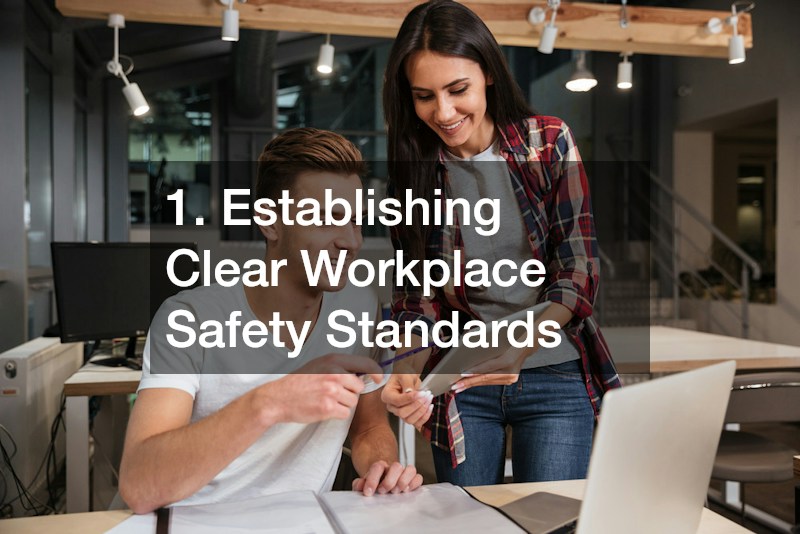
1. Establishing Clear Workplace Safety Standards
A safe workplace begins with clear expectations. Employees should understand the procedures, responsibilities, and precautions associated with their roles. Without consistent safety standards, even well-maintained facilities can experience preventable accidents and operational problems.
Developing Workplace Safety Procedures
Businesses should establish procedures that address the specific risks associated with their operations. An office may need policies for electrical equipment, emergency exits, and workstation ergonomics, while a manufacturing facility may require more detailed instructions for operating machinery, handling materials, and wearing protective equipment.
Written safety policies help employees understand what is expected of them. These procedures should explain how to identify hazards, report unsafe conditions, respond to emergencies, and access appropriate safety resources.
Policies should also be reviewed periodically. Changes in equipment, staffing, building layouts, and daily responsibilities can introduce new risks that existing procedures may not adequately address.
Providing Employee Training
Training helps employees recognize potential hazards and understand how to respond appropriately. New employees should receive safety instruction during onboarding, while existing team members may benefit from refresher sessions and updates when procedures change.
Training should be relevant to each employee’s responsibilities. Workers who operate specialized equipment need instruction that addresses its proper use, while employees who work in administrative roles may need guidance on ergonomics, emergency procedures, and general office safety.
Encouraging employees to ask questions and report concerns also helps create a workplace where safety is treated as a shared responsibility.
2. Maintaining Clean and Organized Work Areas
Workplace organization influences both employee safety and productivity. Cluttered floors, poorly arranged supplies, and improperly stored materials can create hazards while making routine tasks more difficult.
Establishing Consistent Cleaning Practices
Regular cleaning helps maintain sanitary conditions and reduces the accumulation of dust, debris, and other materials that may affect workplace safety. Businesses should establish cleaning schedules based on the size of the facility, number of employees, and nature of daily operations.
High-traffic areas may require more frequent attention than spaces used occasionally. Restrooms, break rooms, kitchens, entrances, and shared workstations should receive consistent maintenance.
Businesses that operate commercial kitchens or food preparation facilities must also pay attention to grease management. Scheduling grease trap pumping services helps maintain grease collection systems and supports proper waste management. Regular servicing can help prevent blockages, unpleasant odors, and plumbing disruptions that interfere with daily operations.
Improving Storage and Organization
Supplies, tools, inventory, and equipment should have designated storage locations. Employees should be able to identify where materials belong and access frequently used items without creating unnecessary obstacles.
Warehouses and distribution facilities may benefit from a properly planned pallet racking system. Organized storage arrangements can help businesses use available vertical space while keeping inventory accessible. Rack placement, load limits, inspections, and aisle clearance should all be considered to maintain safe material handling practices.
Businesses with limited storage space may also consider a portable storage solution for equipment, supplies, documents, or inventory that does not need to remain inside the primary work area. Keeping less frequently used materials separate can help reduce clutter and preserve valuable operational space.
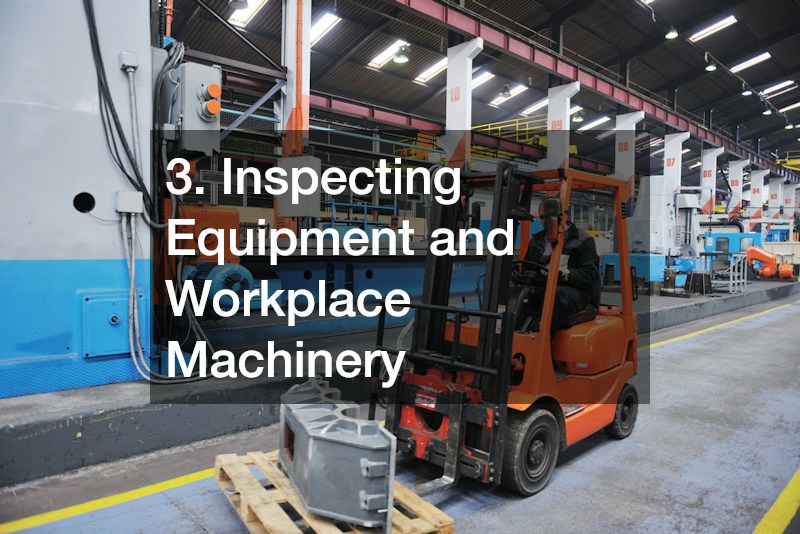
3. Inspecting Equipment and Workplace Machinery
Equipment maintenance is essential in workplaces that depend on machinery, vehicles, tools, and specialized technology. Poorly maintained equipment can affect productivity, increase repair expenses, and expose employees to unnecessary risks.
Creating Preventive Maintenance Schedules
Preventive maintenance involves inspecting and servicing equipment before significant problems develop. Rather than waiting for machinery to malfunction, businesses can establish schedules based on manufacturer recommendations, operating hours, and equipment conditions.
Inspections may include checking moving components, electrical connections, safety guards, lubrication levels, and other essential features. Maintenance records help managers track completed services, identify recurring problems, and determine when equipment may need replacement.
Employees should also know how to recognize warning signs, such as unusual noises, overheating, vibration, or inconsistent performance. Equipment that appears unsafe should be reported and evaluated before regular operation continues.
Addressing Specialized Manufacturing Equipment
Manufacturing facilities often depend on complex machinery that requires additional maintenance and operational oversight. CNC machine centers, for example, rely on precise movements, programmed instructions, and properly functioning components to produce consistent results.
Businesses using this equipment should follow appropriate inspection and servicing procedures. Regular attention to machine alignment, tooling, cooling systems, and protective features can support reliable operation while helping reduce unexpected downtime.
Safety controls are particularly important when machinery involves electrical systems or potentially hazardous environments. Employees should understand equipment-specific operating procedures and the importance of keeping protective features in place.
4. Maintaining Building Infrastructure and Utilities
A productive workplace depends on reliable building systems. Electrical infrastructure, plumbing, heating, cooling, ventilation, and water equipment all contribute to the comfort and functionality of commercial properties.
Inspecting Electrical Systems
Electrical problems can create serious workplace hazards and interrupt essential business activities. Damaged wiring, overloaded circuits, exposed connections, and malfunctioning equipment should receive prompt attention from qualified professionals.
Facilities that operate in hazardous environments may require additional electrical safety measures. An intrinsically safe barrier can be part of a system designed to limit electrical energy entering designated hazardous areas. These components are particularly relevant in environments where flammable gases, vapors, or combustible materials may be present.
Businesses should evaluate electrical safety requirements according to their equipment, operating conditions, and applicable regulations. Qualified professionals can help determine which protective systems are appropriate for the facility.
Monitoring Plumbing and Water Equipment
Reliable plumbing supports employee comfort, sanitation, and everyday business activities. Restrooms, kitchens, manufacturing processes, and cleaning operations may all depend on consistent water access.
Commercial properties should inspect plumbing fixtures, supply lines, drainage systems, and water-heating equipment for leaks, corrosion, and signs of deterioration. A commercial water heater should receive appropriate maintenance to support dependable hot water availability and identify potential performance issues.
Businesses should also pay attention to underground plumbing infrastructure. When sewer lines develop cracks, leaks, or other forms of deterioration, sewer pipe lining may provide a rehabilitation option that addresses certain problems without requiring complete pipe replacement. Qualified plumbing professionals can evaluate the existing system and determine whether this approach is appropriate.
Supporting Indoor Air Quality
Ventilation and climate-control systems influence the comfort of employees and the condition of indoor workspaces. Poor airflow, excessive humidity, and inadequate temperature control can make it harder for employees to remain comfortable throughout the workday.
Regular HVAC maintenance may include filter replacement, equipment inspections, ventilation checks, and thermostat evaluations. Businesses should also consider how employee occupancy, machinery, and building activities affect indoor air conditions.
Maintaining appropriate ventilation is especially important in facilities that produce dust, fumes, odors, or other airborne contaminants. Depending on the workplace, additional ventilation or air filtration measures may be necessary.

5. Keeping Exterior Areas Safe and Accessible
Workplace safety extends beyond the building itself. Parking lots, sidewalks, loading zones, entrances, and outdoor work areas should receive regular attention because employees, customers, and delivery personnel frequently use these spaces.
Maintaining Parking Lots and Walkways
Damaged pavement can create tripping hazards, interfere with vehicle movement, and make property access more difficult. Cracks, potholes, uneven surfaces, and deteriorating markings should be identified during routine property inspections.
Businesses may work with parking lot paving companies when resurfacing, repairing, or improving exterior pavement. Professional paving services can help address surface deterioration and support more organized traffic movement throughout the property.
Parking areas should also have clearly visible markings, appropriate signage, and designated pedestrian pathways. Separating vehicle traffic from walking routes can help reduce the risk of accidents in busy commercial environments.
Reviewing Exterior Construction Needs
Commercial properties may require periodic construction or infrastructure improvements as buildings age or operational needs change. Cutting or modifying concrete may be necessary when installing new utility lines, adjusting floor layouts, or completing certain structural projects.
When these tasks are required, experienced concrete cutting companies can provide specialized services for creating openings and modifying concrete surfaces. Planning this work carefully helps coordinate construction activities with existing operations and reduces unnecessary disruption.
Businesses should establish appropriate work zones during exterior and interior construction. Temporary barriers, warning signs, and restricted access areas help protect employees and visitors from active work areas.
6. Creating Ergonomic and Comfortable Workspaces
A productive workplace should support the physical needs of employees. Workstations that are poorly arranged or uncomfortable can contribute to fatigue, discomfort, and reduced concentration.
Evaluating Workstation Design
Ergonomics focuses on arranging work environments and equipment to better accommodate the people using them. In office settings, workstation evaluations may involve desk height, chair support, monitor placement, keyboard positioning, and lighting.
Employees who spend extended periods sitting should have access to seating that supports comfortable posture. Monitor positioning should also allow workers to maintain a natural head and neck position without excessive bending or straining.
In industrial environments, ergonomics may involve adjusting work surfaces, improving material handling procedures, and reducing unnecessary repetitive movements. Even relatively small adjustments can make routine responsibilities more comfortable.
Supporting Employee Comfort
Temperature, lighting, noise levels, and available break areas can all affect the workplace experience. Employees may have difficulty concentrating when workspaces are excessively noisy, poorly illuminated, or uncomfortable.
Businesses should evaluate lighting throughout the facility to identify areas where visibility needs improvement. Appropriate lighting can support accurate work, improve navigation, and reduce visual discomfort.
Break rooms and designated rest areas also contribute to a more supportive environment. Providing clean, comfortable spaces where employees can step away from their responsibilities can help them return to work refreshed.
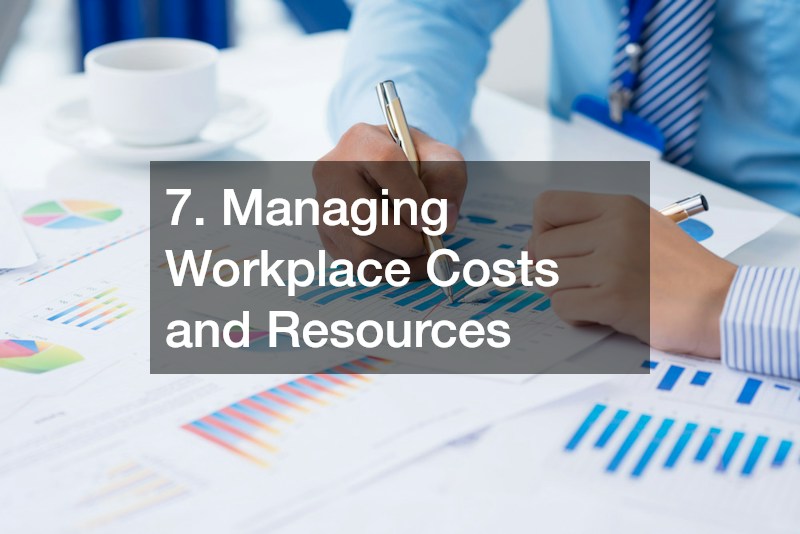
7. Managing Workplace Costs and Resources
Maintaining a workplace requires ongoing financial investment. Businesses must balance the cost of equipment, building maintenance, supplies, staffing, and safety improvements while keeping operations financially sustainable.
Planning Maintenance Expenses
A maintenance budget should account for routine servicing as well as larger repairs and replacements. Building systems, machinery, cleaning services, exterior improvements, and safety equipment all contribute to operating expenses.
Tracking maintenance costs helps managers identify recurring problems and evaluate whether particular systems require more extensive improvements. For example, frequently repairing an aging piece of equipment may eventually cost more than replacing it with a dependable alternative.
Businesses should also prioritize spending according to safety requirements and operational importance. Essential repairs should not be postponed simply because they are less visible than other improvements.
Reviewing Available Financial Resources
Financial planning can become particularly important when a business faces unexpected expenses, changes in revenue, or significant facility improvements. Owners may need to review available deductions, credits, and other financial considerations when planning operational investments.
Working with qualified financial professionals or tax relief companies may help businesses understand certain tax-related obligations and available options. Their services may be relevant when addressing tax debt or evaluating approaches to resolving specific tax concerns.
Keeping accurate financial records and reviewing expenses regularly can also help business owners make more informed maintenance decisions. A clear understanding of available resources makes it easier to plan improvements without overlooking other operational responsibilities.
8. Developing Effective Emergency Preparedness Plans
Even well-maintained workplaces can experience unexpected emergencies. Equipment failures, fires, severe weather, power outages, and other incidents can threaten employee safety and interrupt normal business activities.
Establishing Emergency Procedures
Every workplace should have emergency procedures that explain how employees should respond to different situations. These plans should identify evacuation routes, emergency exits, designated meeting locations, communication procedures, and responsibilities during an incident.
Emergency information should be easy to access and communicated to employees during onboarding and periodic training. Businesses should also account for visitors, contractors, and individuals who may need additional assistance during an evacuation.
Depending on the facility, emergency plans may need to address hazardous material releases, machinery-related incidents, medical emergencies, and utility failures.
Inspecting Emergency Equipment
Emergency equipment must remain accessible and ready for use. Fire extinguishers, alarms, first aid supplies, emergency lighting, and other safety resources should be inspected according to applicable requirements and manufacturer recommendations.
Businesses should maintain documentation of inspections and servicing activities. Missing, damaged, expired, or inaccessible equipment should be addressed promptly.
Periodic emergency drills can help employees become more familiar with response procedures. Practicing these steps allows managers to identify unclear instructions, accessibility concerns, or problems with evacuation routes before an actual emergency occurs.
9. Encouraging Employee Communication and Accountability
Workplace maintenance is most effective when employees and management communicate consistently. Employees often notice developing problems during their daily responsibilities, making their observations valuable for identifying maintenance needs.
Creating Reporting Procedures
Businesses should establish straightforward ways for employees to report damaged equipment, spills, unsafe conditions, plumbing problems, and other concerns. Reports should reach the appropriate person and receive timely attention.
A consistent reporting process also helps management identify patterns. If employees repeatedly report the same equipment malfunction or workplace hazard, the issue may require a more comprehensive solution.
Employees should feel comfortable raising concerns without worrying that reporting a problem will negatively affect them. Encouraging open communication reinforces the idea that maintaining a safe environment is everyone’s responsibility.
Reviewing Workplace Performance
Managers can evaluate maintenance efforts through regular inspections, employee feedback, incident reports, and equipment performance records. These reviews help determine whether existing procedures are working as intended.
Businesses should also revisit safety policies whenever operations change. New equipment, additional employees, facility expansions, and modified workflows may introduce risks that require updated procedures.
Ongoing evaluation allows businesses to make gradual improvements rather than waiting until a serious issue demands immediate attention.
Maintaining a safe and productive workplace requires consistent planning, communication, and attention to both employees and physical facilities. From establishing safety procedures and organizing work areas to inspecting machinery, maintaining utilities, and preparing for emergencies, every aspect of workplace management contributes to daily operations. By prioritizing preventive maintenance, employee comfort, financial planning, and ongoing safety improvements, businesses can create environments that support their teams while promoting reliable long-term performance.


