
Introducing the connection between a well-maintained commercial roof and the safety and efficiency of business operations sets the stage for recognizing potential issues before they escalate. A commercial roof is a critical component that shields your business from external elements. Recognizing the early signs of roof failure not only safeguards business continuity but also protects the structural integrity of the building. Apart from weather elements, everyday wear and tear can slowly deteriorate roof efficiency. Early intervention and consistent attention to the signs of trouble can prevent significant operational disruptions and financial losses.
1. What are the Common Visual Indicators of Roof Deterioration?
A primary visual indicator of roof issues is the presence of cracks and splits in roofing materials. These gaps can form due to thermal expansion or contraction and could lead to leaks and insulation failures. Often, reduced material elasticity caused by UV exposure exacerbates these problems, making immediate repairs essential. Another significant indicator is the pooling or standing water on the roof surface, demonstrated frequently in flat roofing systems. Left unattended, stagnant water can infiltrate the roof membrane, leading to structural issues and increased maintenance costs.
Failed flashing and sealing result from aging materials or improper installation, which subjects a roof to water penetration risks. When flashing is compromised, water can seep into the walls and ceiling, incurring damage that might not be immediately apparent. Similarly, blistering, bubbling, and shrinkage signal problems emerging from moisture trapped under the roofing membrane. This condition leads to surface deformities that exacerbate roofing material deterioration and prepare perfect breeding grounds for mold and mildew. Another cause for concern is sagging roof sections, a sign of compromised structural integrity often requiring urgent professional evaluation.
The observation of multiple weak spots across the roof warrants attention, potentially preventing further substantial damage if promptly addressed. Regular inspections supported by professional assessments can help identify and rectify such issues before they magnify. The visual indicators of roof deterioration underscore the importance of integrating a robust maintenance routine. Commercial buildings, subject to ongoing exposure to natural elements, require diligent monitoring and maintenance strategies to ensure operational longevity. Building owners must prioritize identifying and addressing visual distress signals to prolong a roof’s usability and functionality.
2. How Does Weather Impact the Integrity of a Commercial Roof?
Weather profoundly influences the long-term durability of commercial roofing systems. Harsh sunlight and UV rays considerably degrade roofing materials, causing contraction and brittleness over time. This exposure diminishes resistance to stressors like wind and precipitation, reducing a roof’s lifespan significantly. Proper materials and protective coatings can mitigate UV damage, offering a layer of defense against prolonged exposure. Assessing the condition of roofing post-exposure to severe sunlight is crucial in maintaining a reliable commercial building infrastructure.
High winds encounter is a challenge, especially for roof sections not effectively anchored or those with exposed seams. Wind damage can dislocate roofing materials or even completely remove segments, escalating the risk of water infiltration. A conscientious approach toward assessing and securing vulnerable roof areas in anticipation of storms is vital in sustaining roof health. Heavy rainfall exacerbates existing roofing issues, accelerating deterioration owing to waterlogging. Effective drainage systems are indispensable, ensuring water is diverted away from vulnerable areas, reducing the strain on roofing materials.
Snow and ice pose significant weight and freezing risks, burdening roofs with excess weight that may exceed their load capacities. Moreover, freeze-thaw cycles lead to fractures within roofing materials, necessitating immediate remedial action. Understanding temperature fluctuations and potential thermal shock helps prepare building owners for extreme weather conditions. It becomes imperative to implement strategies tailored to local climatic conditions and weather patterns in preserving commercial roofs. Consistent monitoring and immediate attention to weather-imposed strains enhance the resilience and reliability of commercial roofing systems.
3. When Should Routine Maintenance Be Conducted and What Does It Involve?
Routine maintenance is best conducted bi-annually, ideally during spring and fall, coinciding with mild weather and minimizing interruptions. Such scheduled intervention is pivotal in preempting roofing troubles, nipping potential threats in the bud. Furthermore, intense conditions like heavy snowfall or significant storms might necessitate ad-hoc inspections to evaluate potential impact or damage immediately. Regular checks and maintenance practices not only extend the life of commercial roofs but also reinforce their protective capabilities. Professional assessments during these routines offer an added assurance in confirming a roof’s robustness.
Right from the outset, roof inspections prioritize identifying and remedying minor wear before they escalate into substantial complications. Handling of key elements such as loose shingles, cracks, and membrane issues ensures foundational issues are addressed. Another crucial aspect involves comprehensive evaluations of gutters and drainage systems to confirm unobstructed water flow. Blocked or malfunctioning drainage systems risk water pooling, cultivating favorable conditions for decay and deterioration. Ensuring clear and efficient drainage is fundamental in protecting a roof’s functional integrity.
Efficient maintenance also underscores the considerable benefits of professional evaluations, drawing from expertise to detect subtle yet potentially damaging issues. Minor repairs executed promptly often save expenses associated with major corrections. Unaddressed minor issues evolve into urgent complications affecting business operations and property safety. Timely focus on preventive upkeep provides substantial long-term cost savings, underscoring a wise investment in a roof’s health. As such, preventive maintenance emphasizes the safeguarding of both financial and physical assets.
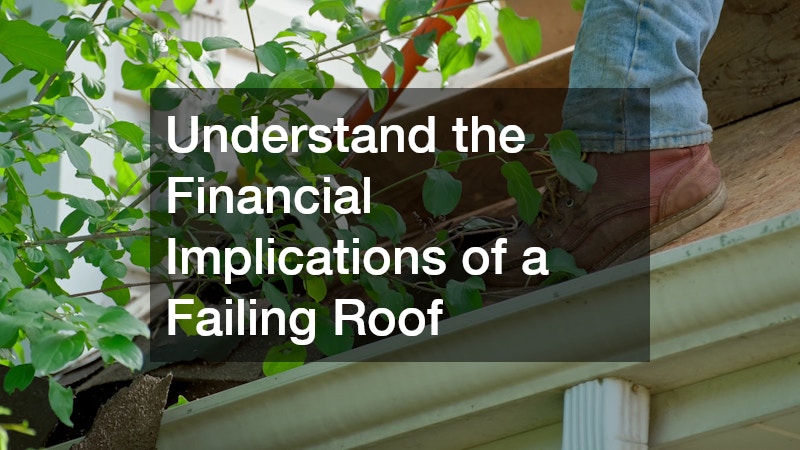
4. What are the Financial Implications of a Failing Roof?
The financial ramifications of a declining commercial roof are profound, encompassing immediate, medium-term, and long-term consequences. Direct costs primarily include emergency repairs and potential roof replacement, expenses that can bear significantly on an organization’s budget. Immediate financial input into maintenance and repairs can alleviate devastating costs attached to unexpected emergencies. Indirect costs, potentially more insidious, cover interior damage resultant from leaks and structural perturbations. Such internal damage affects ceilings, walls, and can even disrupt operational environments, amplifying repair expenses.
The positioning of insurance and warranties highlights another financial perspective where inadequate or delayed responses erase potential claims benefits. Insurance policies often mandate certain upkeep routines and timely interventions to ensure coverage. Failure to meet stipulated guidelines could void insurance, further escalating unexpected out-of-pocket costs. Additionally, roof degradation might negatively impact property valuations, affecting business collateral and marketability. A robust roof ensures a favorable appraisal, strengthening borrowing power and business expansion capabilities when needed.
Long-term cost savings are apparent when proactive measures are championed, precluding adverse impacts of neglected roof health. Investing in quality materials and routine evaluations spares the extensive repercussions of unchecked damage significantly. Financial investments in roof sustainability correlate positively with business operations, securing financial and structural integrity. Savings are realized when capital-intensive interventions are minimized through dedicated, scheduled care. The foresight into understanding and responding to financial implications of deteriorating roofs underscores prudent business stewardship.
5. What Are the Key Signs That Demand Immediate Professional Intervention?
Persistent leaks and visible water damage within a building are among the most urgent indicators necessitating professional intervention. These occurrences suggest underlying roofing issues likely to harm business operations if left unresolved. Immediate expert assessment can efficiently locate leak sources and decide on suitable remedial actions, minimizing further detriment. Structural compromise and visible roof sagging demand urgent evaluation to forestall potential collapse risks. Professional consultation ensures prompt remedial action and averted dangers to both human safety and property.
The proliferation of mold and mildew manifests as both a health risk and a sign of moisture penetration into roofing structures. Unresolved moisture promotes mold growth, compromising indoor air quality and posing potential health issues. Removal and prevention hinge on swift professional inspection to identify and mitigate moisture seepage. Energy efficiency losses flag inefficient insulation or weatherproofing, suggesting necessity for energy audits and consequent interventions. Comprehensive energy assessments contribute to identifying inefficiencies and ensuring system optimizations for enhanced operation.
Emergency situations, such as severe storm damage, entail immediate professional roof repairs and roofing assessments to gauge and arrest compromised areas. Timely response can circumvent more severe implications like complete roof failure or extensive interior damage. Professional expertise is instrumental in effectively handling such emergencies, securing any damaged portions, and instituting safeguard measures. Holistic assessments provide credible evaluations and recommendations, instrumental in securing roof integrity post-emergencies. These interventions are critical in reinstating a safe and functional operational environment promptly.
Regular inspections and active maintenance strategies are integral elements in prolonging the lifespan of commercial roofs. With structured evaluation and proactive repair efforts, commercial entities safeguard against financially and operationally detrimental consequences. Prioritizing roofing health through expert evaluations not only assures safety but preserves business continuity, underpinning an organization’s productive potential. Maintaining a vigilant approach towards potential risks and signs of failure lends peace of mind, preserving both human and physical resources. Your commercial roof is a vital investment deserving of persistent protection and care.